
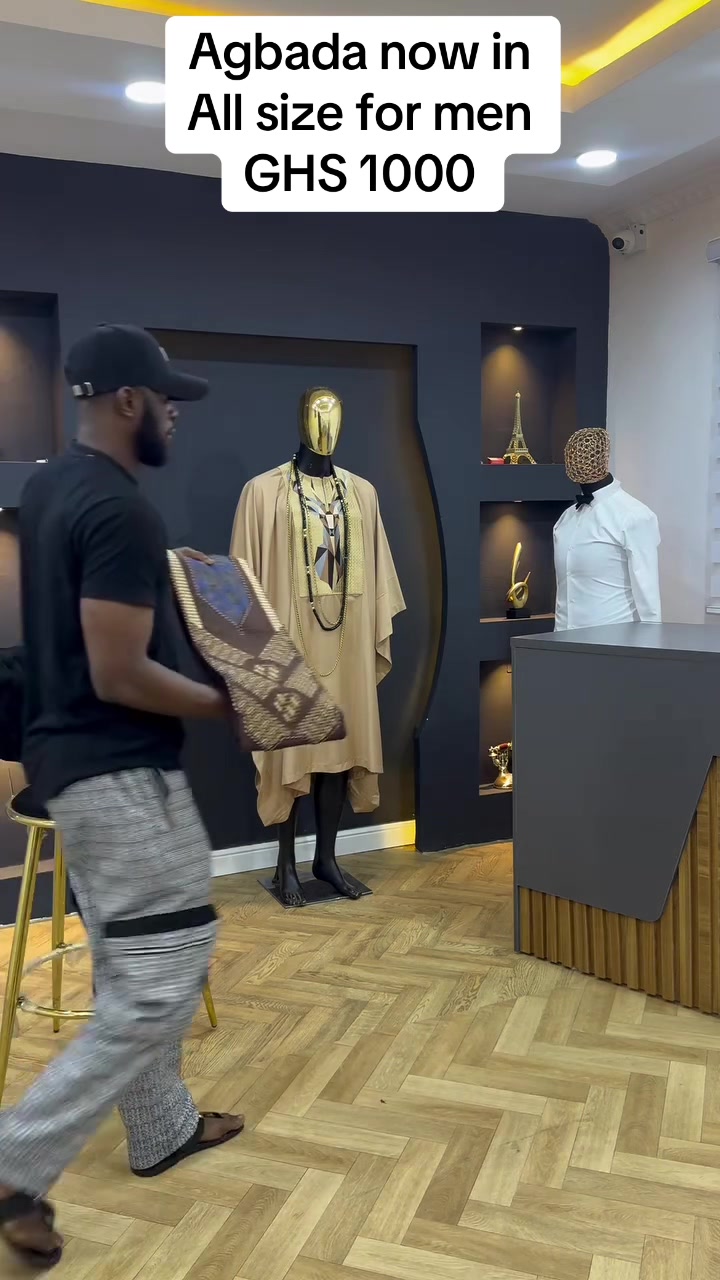
Elevate Your Style: Stunning A gbada & Kaftan Inspirations!
Hey everyone! After reviewing designer showcases weekly on Invogue @official.perfecthands, I want to share some thoughts about fashion trends. You know, I see many beautiful designs like agbada and kaftan. These styles really express culture and tradition!
Every week is something new and exciting. Designers showing off amazing creations, mixing colors and styles. The agbada, with its flowing fabric and intricate embroidery, look so elegant. People wear it for special occasions, and it makes a statement! And kaftans are so versatile, right? You can dress them up or down!
I also notice that Ghanaian fashion gaining more attention lately. It’s awesome to see how creativity blending with heritage. TikTok is helping spread this vibe; so many people sharing their looks and outfit ideas. It’s like a fashion party online!
There’s something special about exploring fashion from different cultures. It opens up our minds, you know? Plus, platforms like Invogue really highlight these amazing talents. It’s nice to support local designers and showcase their work.
So, what do you think? Are you loving the agbada or kaftan trend? How do you mix traditional with modern styles? Let’s chat in the comments! #readysetlift #goghana #ghanatiktok #viral
@official.perfecthands #agbada #kaftan #readysetlift #goghana🇬🇭🇬🇭 #ghanatiktok🇬🇭 #viraltiktok #fyppppppppppppppppppppppp #boutique #official #menfit#kaftan #readymade #traditional
The Importance of Broken English for Africans
In Africa, many people speak different languages. When they meet, they use English sometimes. But, not always perfect English. That is where Broken English come in. Broken English mean when people speak English but mix with local words, accents, and structures. Some call it “pidgin” or “creole.” It important because it connect people and make communication easy.
1. Communication Bridge
Africa have many countries, more than 50! Each country have own language like Swahili, Hausa, Yoruba, Zulu, and more. When people from different places meet, not everyone speak the same language. Broken English help them to understand each other. It make conversation flow better. Even if the English not perfect, the meaning still clear. This is very important for trade, business, and friendship.
2. Cultural Identity
Broken English is also part of cultural identity. It show how people blend their culture with English. For example, in Nigeria, many people mix local words in their English. They say “How far?” to ask how someone is doing. It express who they are and where they come from. It give a sense of belonging and show pride in their roots.
3. Youth Engagement
Young people in Africa love to use Broken English, especially on social media. Platforms like TikTok and Instagram become popular for sharing videos and messages. Using Broken English make it fun and relatable. They can express their thoughts, ideas, and creativity in a way that connects with others. Hashtags like #goghana and #ghanatiktok show how young Africans use this form of English to build communities and connect with each other.
4. Social Media Influence
Today, social media very powerful for spreading messages. When young people use Broken English, it catch attention. They create trends, memes, and challenges that more people engage with. It make them influencers, and they can reach many followers. This also change perception of language. It show that there is not just one way to speak English. Language bent and grow, and Broken English is part of this change.
5. Education and Learning
Some people say Broken English no good for education. But, it can help people learn better. When teachers use Broken English, students feel more comfortable. They can ask questions without fear of making mistakes. Education should be about understanding, not just perfection. If a student can express their thoughts in Broken English, it is a step towards learning.
6. Business Opportunities
In business, effective communication is key. Many African businesses thrive using Broken English. It allows local entrepreneurs to engage with customers who may also prefer informal language. This approach helps in marketing products, especially in areas where the local language is a mix of English and native words. More people feel included and attracted when they see that their way of speaking is valued.
7. Creativity and Expression
Broken English can be a form of art. Poets, musicians, and writers use it to express their feelings and stories. It gives voice to the everyday experiences of people. For example, in music, many African artists use Broken English in their lyrics. This connect them to their audience, making the message more powerful and relatable. It keeps culture alive while embracing modernity.
8. Challenging Language Norms
Using Broken English challenge the idea that only “perfect” English is acceptable. This can change how people view language. Language is dynamic and always changing. What is considered “wrong” today may become accepted tomorrow. By embracing Broken English, Africans can celebrate their linguistic diversity and reject pressure to conform to one standard.
9. Strengthening Community Bonds
When people share a unique way of speaking, it build community bonds. Broken English can create a sense of belonging among speakers. It can be a unifying factor in diverse settings. Neighbors, friends, and families can communicate in a way that feels natural to them, thus strengthening relationships.
10. Future of Language in Africa
The future is bright for Broken English in Africa. As globalization continues, more people will interact with different cultures and languages. Broken English will adapt and evolve. It will become a vital part of African identity. Young people will continue to shape the language, making it more vibrant and representative of their experiences.
Conclusion
In conclusion, Broken English is not just “bad” English. It is a tool for communication, cultural identity, and creativity. It connects Africans across borders and helps them express themselves. It is also a powerful way for young people to engage and influence society. Embracing Broken English can bring many opportunities in education and business. The future of Broken English in Africa is bright, with potential to continue growing and transforming.
So, next time you hear Broken English, remember it is not just about words. It is about connection, culture, and community.
Join the Conversation
Let’s keep the conversation going! Whether you wear an agbada, kaftan, or any traditional outfit, it’s time to celebrate our culture and language. Use hashtags like #readysetlift, #goghana, and #ghanatiktok to share your experiences and embrace the beauty of Broken English!
Style Breakdown
1. Aesthetic:
The look showcases traditional African attire, specifically focusing on agbada and kaftans, which are characterized by their loose-fitting silhouettes and elaborate embroidery. The vibrant colors and intricate patterns reflect cultural heritage and craftsmanship.
2. Fabrics and Textures:
Typically made from lightweight cotton, silk, or brocade, these fabrics allow for breathability while maintaining an opulent appearance. The textures may vary from smooth to embellished with sequins or beadwork, adding depth and visual interest.
3. Silhouette:
Agbadas are oversized, flowing robes that exude elegance, often worn layered over fitted garments. Kaftans, on the other hand, can be long or knee-length, providing a more relaxed yet stylish silhouette that’s perfect for various occasions.
4. Accessories:
The look may include statement jewelry, such as large earrings or layered necklaces, which enhance the outfit’s overall impact. Traditional footwear, like beaded sandals or leather slippers, adds an authentic touch.
5. Color Palette:
Bold, striking colors are common, ranging from deep blues and reds to bright yellows and greens. Monochromatic schemes or contrasting color combinations can also be seen, allowing for personal expression.
Trend Insight
Cultural Revival:
The surge in popularity of agbada and kaftan styles on platforms like TikTok illustrates a growing appreciation for African cultural fashion. This trend signifies a broader movement towards celebrating heritage and identity through clothing.
Cross-Cultural Fusion:
As global fashion continues to blend various influences, agbadas and kaftans are being reinterpreted in modern styles, appealing to younger audiences who seek authenticity combined with contemporary aesthetics.
Social Media Influence:
Hashtags like #readysetlift and #goghana highlight the interconnectedness of fashion, lifestyle, and social media. Influencers play a crucial role in propelling these trends, showcasing versatility and encouraging followers to embrace traditional styles in modern contexts.
Inclusivity:
The trend signals a push towards more inclusive fashion narratives, where diverse cultural expressions are acknowledged and celebrated in mainstream fashion. This opens up conversations around fashion identity and cultural appropriation.
In conclusion, the revival of agbada and kaftan styles not only reflects personal taste but also a broader cultural movement that intertwines tradition with modernity, making a powerful statement in today’s fashion landscape.